
Pregnancy Glow or Pigmentation?
What You Need to Know About Melasma
You’ve heard of the "pregnancy glow," but what about the "pregnancy mask"?
For many expectant mothers, that beautiful glow can be accompanied by an unwelcome visitor: melasma. This common skin condition is characterized by dark patches of pigment, most often appearing on the cheeks, forehead, and upper lip. While it’s completely harmless, it can be frustrating and stubborn, sometimes lasting for years after giving birth.
So, why does this happen, and what can you do about it?
What Is Melasma?
Melasma affects up to 75% of pregnant women. It’s caused by the significant hormonal changes in your body, which are believed to "prime" your skin to overproduce pigment. This is why melasma is sometimes called the "mask of pregnancy."
The condition can be triggered or worsened by several factors:
Sun Exposure: This is the biggest trigger. UV rays can make existing patches darker and cause new ones to form.
Multiple Pregnancies: Each pregnancy increases your risk. One study even found that a history of melasma in a previous pregnancy makes you 44 times more likely to get it again.
Genetics: If melasma runs in your family, you’re more likely to experience it yourself.
Medium to Darker Skin Tones: People with more melanin in their skin are at a higher risk.
First Pregnancy Later in Life: Starting your family later can also be a risk factor.
Anxiety, Stress, and Sleep Deprivation: These factors, often a part of pregnancy, may also play a role.
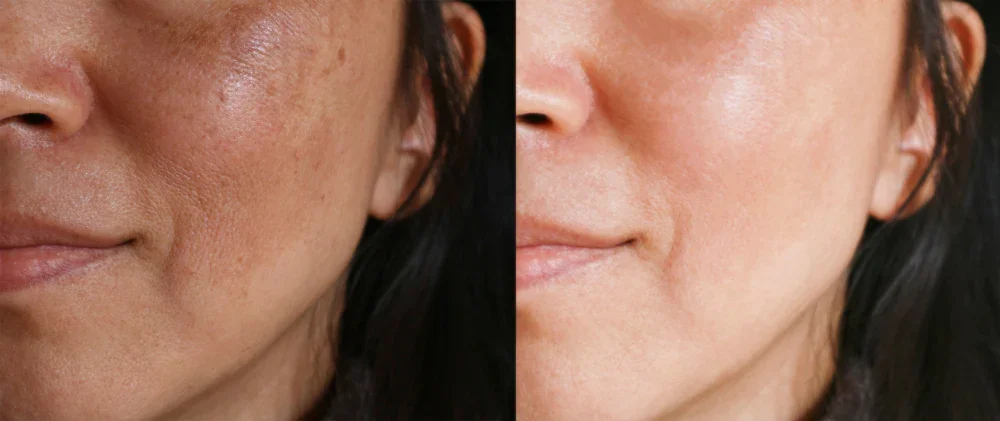
Why Prevention Is Key
The images you see online are right: prevention is much easier than treatment. Melasma can be notoriously difficult to get rid of, and it may not fully fade on its own. Taking simple steps now can lead to clearer skin in the future.
This is especially important because melasma can be persistent, sometimes lasting up to 10 years postpartum.
Doctor-Approved Tips for Preventing Melasma
The good news is that preventing melasma doesn't have to be complicated. A study found that consistent, daily sun protection starting in the first trimester can drastically reduce the chances of developing new melasma during pregnancy.
Here are some simple habits you can adopt:
Wear a broad-spectrum SPF 50+ daily. Make this the most important step in your skincare routine.
Reapply at least every 2 hours. This is especially crucial if you’re spending time outdoors.
Wear a mineral-based sunscreen. Many doctors recommend a mineral or tinted formula because the iron oxides can provide extra protection against visible light, which also contributes to melasma.
Don't forget the window. Damaging UV rays can pass through clouds and windows, so be sure to apply sunscreen even on cloudy days or when you’re inside near a window.
Never use retinoids. Remember to avoid using retinoids in any form while pregnant or breastfeeding.
What to Do If It Doesn't Fade: Safe Post-Pregnancy Treatment Options
While melasma often fades on its own after your hormones return to normal, for some, the pigmentation can be stubborn. If your melasma persists after giving birth, there are several safe and effective treatments you can discuss with a dermatologist.
Topical Treatments: A dermatologist may prescribe topical creams containing ingredients like:
Hydroquinone: A powerful lightening agent that works by decreasing the production of melanin.
Azelaic Acid: A gentler option that also helps reduce discoloration and can be safe to use while breastfeeding.
Tretinoin/Retinoids: These are very effective at accelerating skin cell turnover to shed pigmented skin, but they should only be used after you've finished breastfeeding.
In-Office Procedures: For more persistent cases, your dermatologist might recommend professional treatments, such as:
Chemical Peels: A solution is applied to the skin to exfoliate the top layers, revealing a fresh, more evenly-toned complexion underneath.
Laser Therapy: Advanced technologies like the Fraxel® or PICO Genesis laser can target and break up pigment clusters deep within the skin.
Microneedling: This procedure uses tiny needles to create micro-injuries, stimulating collagen production and helping to fade dark spots.
Always consult with a board-certified dermatologist before starting any treatment, especially if you are breastfeeding, to ensure the plan is safe and tailored to your specific needs.
By following these simple tips and seeking professional advice when needed, you can take control of your skin and enjoy a more even and radiant complexion.