
Pregnancy Glow or Pigmentation? Understanding Skin Changes During Pregnancy
Pregnancy is often associated with that much talked-about “pregnancy glow” — brighter, smoother, more radiant skin.
But for many women, the reality can look a little different.
Instead of a glow, you may notice dark patches, uneven tone, or stubborn pigmentation developing across the face. This is commonly known as melasma, and it’s one of the most frequent skin concerns we see during pregnancy.
So how do you tell the difference — and more importantly, what can you do about it?
What Is the “Pregnancy Glow”?
The pregnancy glow is real — but it’s not magic.
It’s caused by:
Increased blood flow
Hormonal changes
Slightly increased oil production
This combination can make skin appear:
More radiant
Plumper
Smoother
However, not everyone experiences this — and for many, hormonal changes trigger the opposite effect.
What Is Pregnancy Pigmentation (Melasma)?
Melasma is a form of hormonal hyperpigmentation that appears as:
Brown or grey-brown patches
Most commonly on the cheeks, forehead, upper lip, and jawline
Symmetrical patterns on the face
It is often referred to as the “mask of pregnancy.”
Why Does Melasma Happen During Pregnancy?
Melasma is driven by a combination of:
Hormones
Increased levels of oestrogen and progesterone stimulate melanocytes (pigment-producing cells), leading to excess melanin production.
UV Exposure
Sun exposure is one of the biggest triggers. Even small amounts of UV can worsen pigmentation significantly.
Genetics
Some individuals are more predisposed to developing melasma.
Pregnancy Glow vs Melasma: How to Tell the Difference
Pregnancy Glow
Overall radiance
Even skin tone
Healthy-looking luminosity
Melasma
Patchy pigmentation
Uneven tone
Dark areas on specific parts of the face
If you’re noticing defined darker patches rather than an overall glow, it’s likely melasma.
Can You Prevent Pregnancy Pigmentation?
While you can’t completely control hormonal changes, you can significantly reduce your risk.
1. Daily SPF Is Essential
This is the most important step.
Use a broad-spectrum SPF 30–50 daily
Reapply if exposed to daylight
Consider tinted SPF for additional visible light protection
UV and visible light are the biggest triggers for melasma.
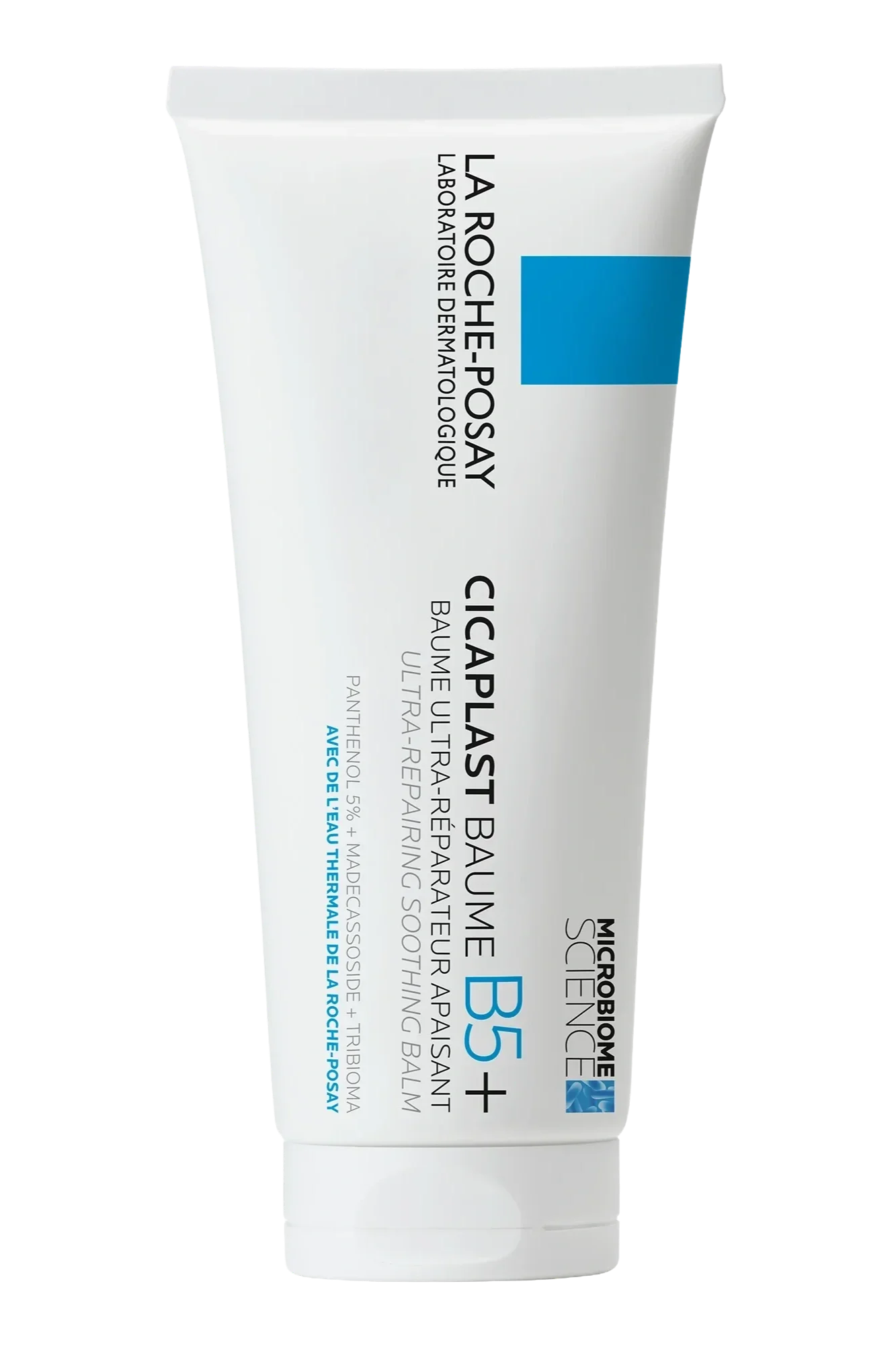
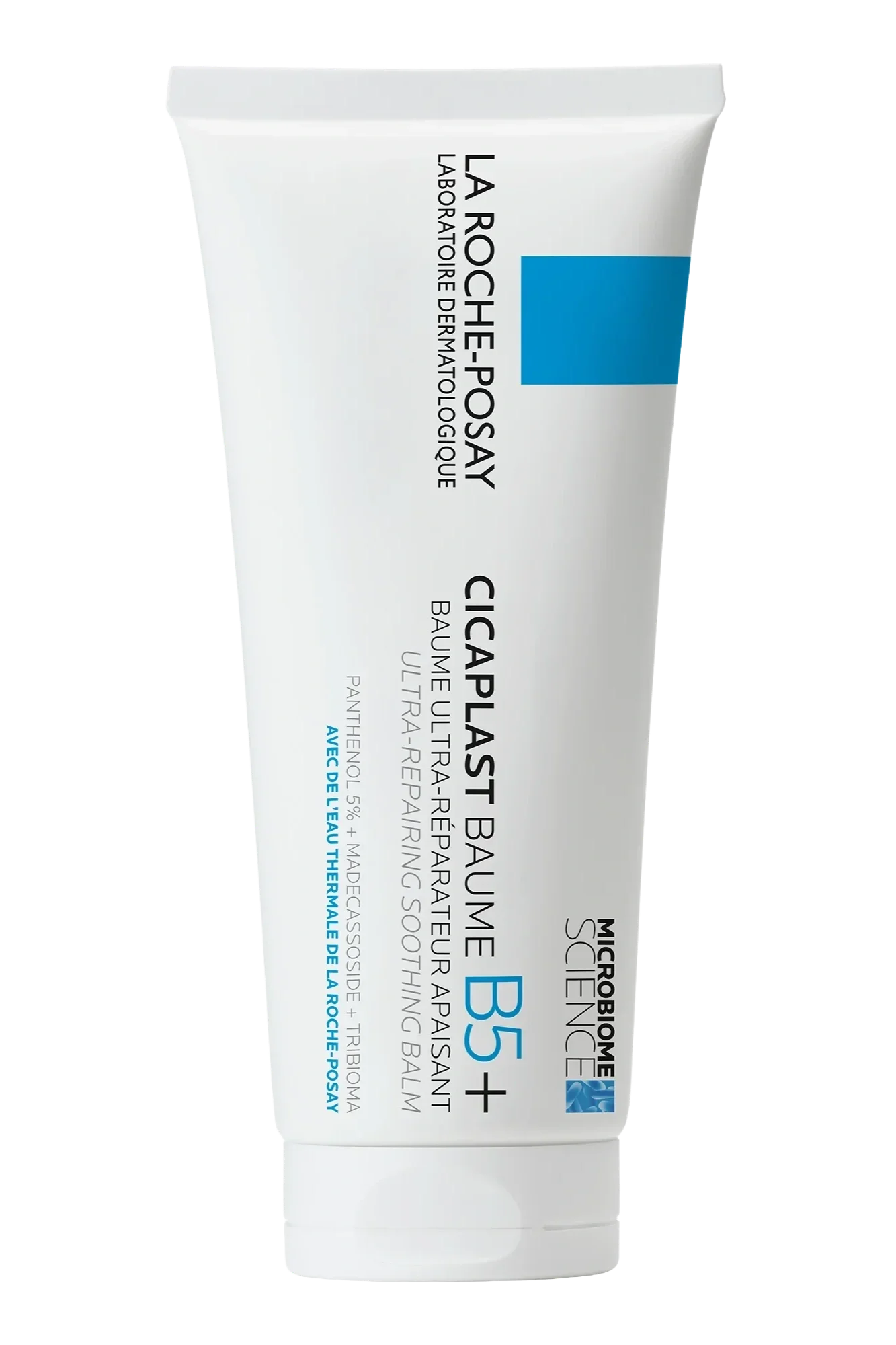
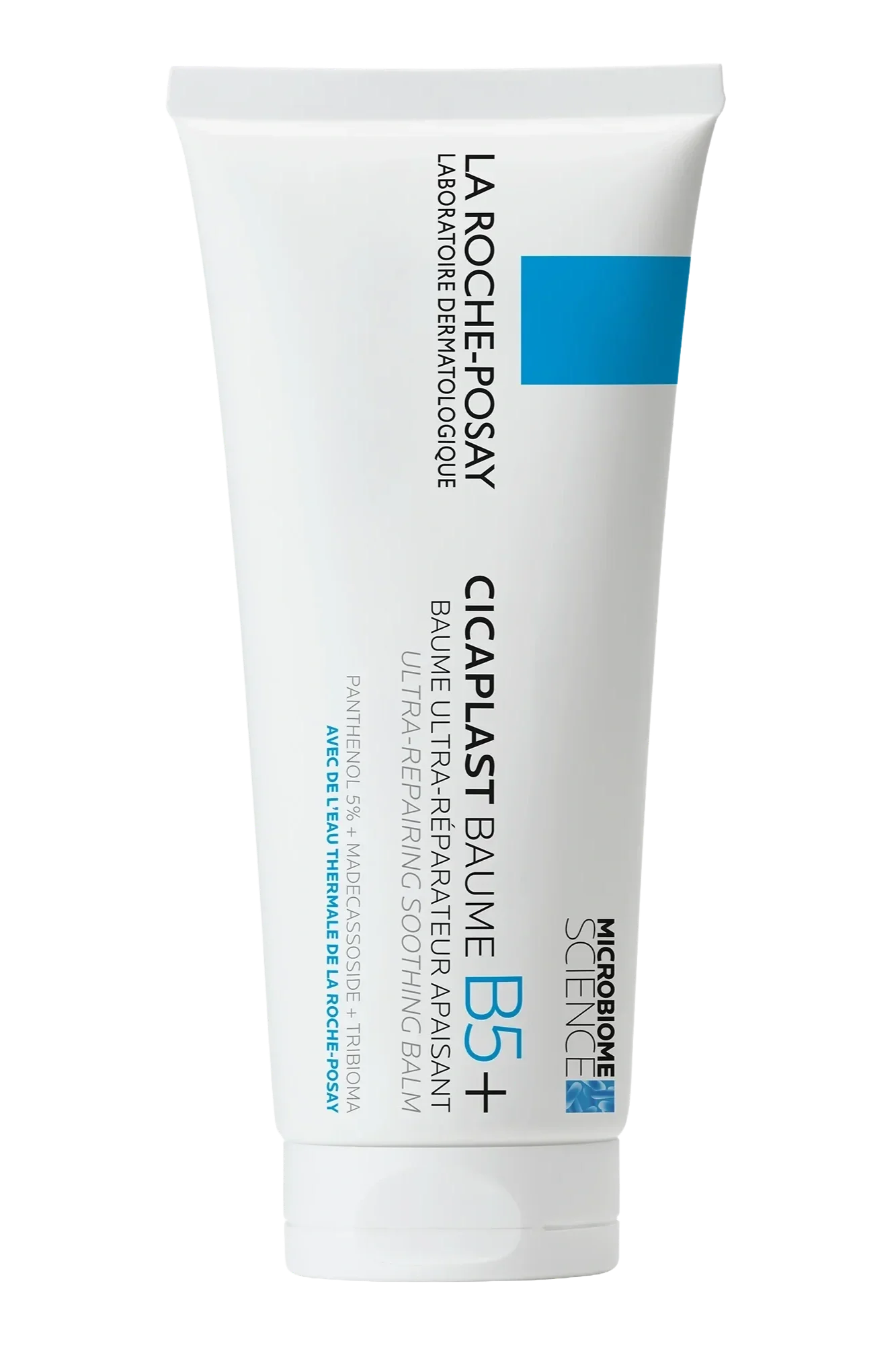
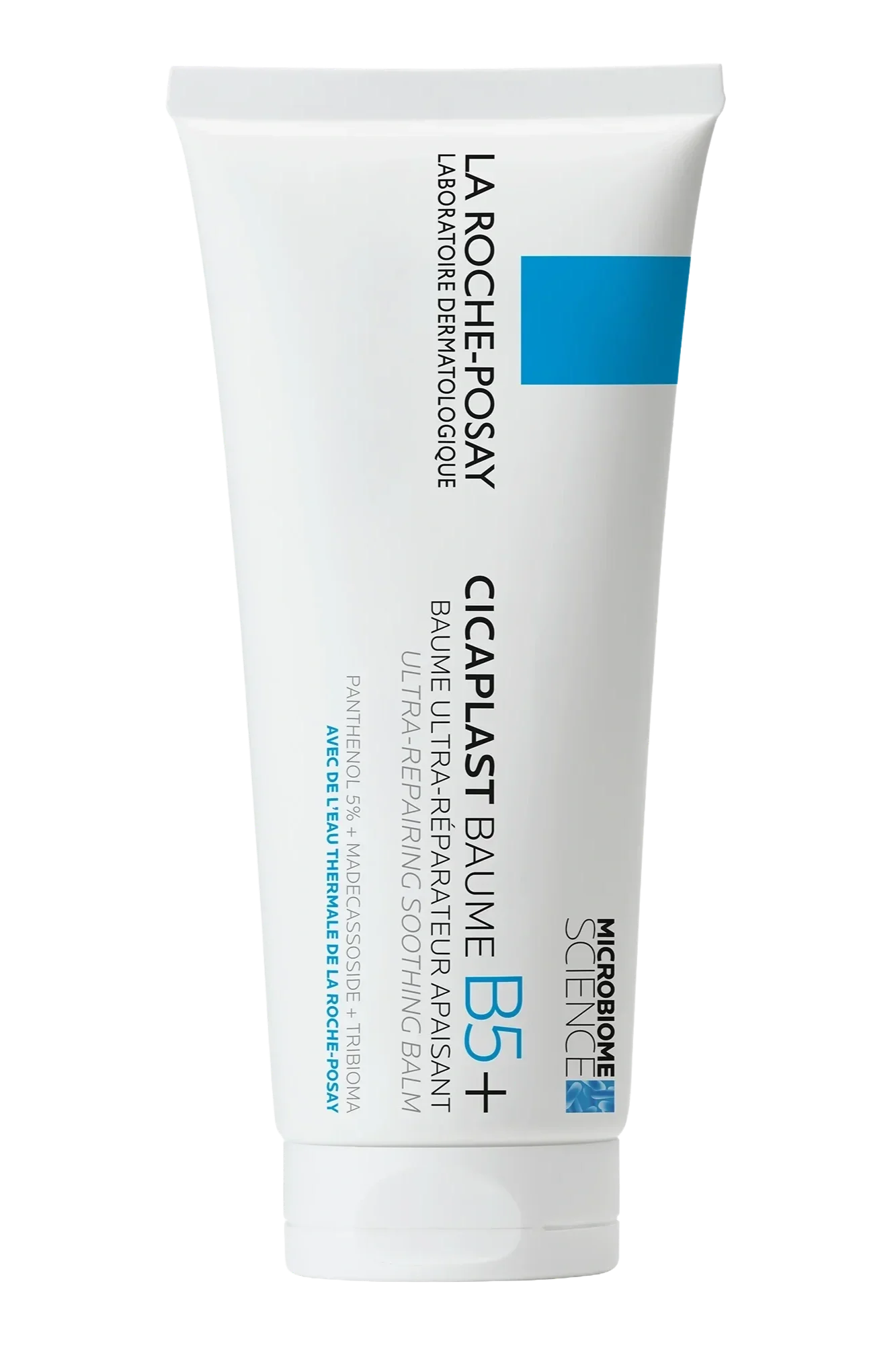
2. Keep Your Skincare Simple and Gentle
Pregnancy is not the time to overload your routine.
Focus on:
Hydration
Barrier support
Avoiding irritation
Inflamed skin is more prone to pigmentation.
3. Avoid Unsafe Actives
Some commonly used skincare ingredients are not recommended during pregnancy, including:
Retinoids (vitamin A derivatives)
High-strength salicylic acid
Certain prescription treatments
Always check with a professional before starting or continuing actives.
What Skincare Ingredients Are Safe During Pregnancy?
While options are more limited, there are still effective and safe choices.
Common pregnancy-safe ingredients include:
Azelaic acid – helps with pigmentation and inflammation
Vitamin C – brightens and protects against oxidative stress
Niacinamide – supports barrier function and improves tone
These can help manage pigmentation without compromising safety.
Will Melasma Go Away After Pregnancy?
In some cases, pigmentation may fade naturally after pregnancy.
However:
It can persist long-term
It may worsen with future sun exposure
It can become more difficult to treat over time
Early prevention is far more effective than treatment later.
When Can You Treat Melasma Properly?
More advanced treatments are usually introduced after pregnancy and breastfeeding, when it’s safe to use:
Prescription retinoids
Stronger pigment inhibitors
Chemical peels
Laser or device-based treatments (when appropriate)
At Summerhouse Clinic, we create tailored plans depending on your skin and stage.
Our Clinical Approach
We take a prevent-first approach during pregnancy:
Protect the skin barrier
Minimise triggers (especially UV exposure)
Use safe, targeted skincare
Plan ahead for post-pregnancy treatment if needed
Final Thoughts
Not everyone experiences the “pregnancy glow” — and that’s completely normal.
If you’re noticing pigmentation, you’re not alone. The key is understanding what’s happening and taking the right steps early.
With the right approach, you can protect your skin during pregnancy and set it up for successful treatment afterwards.
FAQ’s Section
-
Not always, but it can persist without proper management and sun protection.
-
During pregnancy, prevention (especially SPF) and safe ingredients like azelaic acid are key.
-
Yes — vitamin C is generally considered safe and beneficial for brightening and protection.